What To Eat After Plastic Surgery
Plastic surgery of any kind is a drastic change to your body. The time to heal from your procedure will vary depending on the surgery performed. As you plan to make a body or facial change with a top plastic surgeon, one of the topics you’ll want to broach during your consultation is your plastic surgery diet.
What you eat before the procedure and what you consume immediately after surgery can affect how well your body heals. You can support your body by making healthy dietary choices and shortening your recovery period. Surgery can place stress on the body, but the proper nutrition will reduce your risk of infection and possibly lessen scarring.
Plastic Surgery Diet
Your body needs more nutrients, vitamins, and minerals before and after plastic surgery to promote proper healing. Unless you’re on a specialized diet from your medical doctor, consider these changes or additions to your diet ahead of plastic surgery.
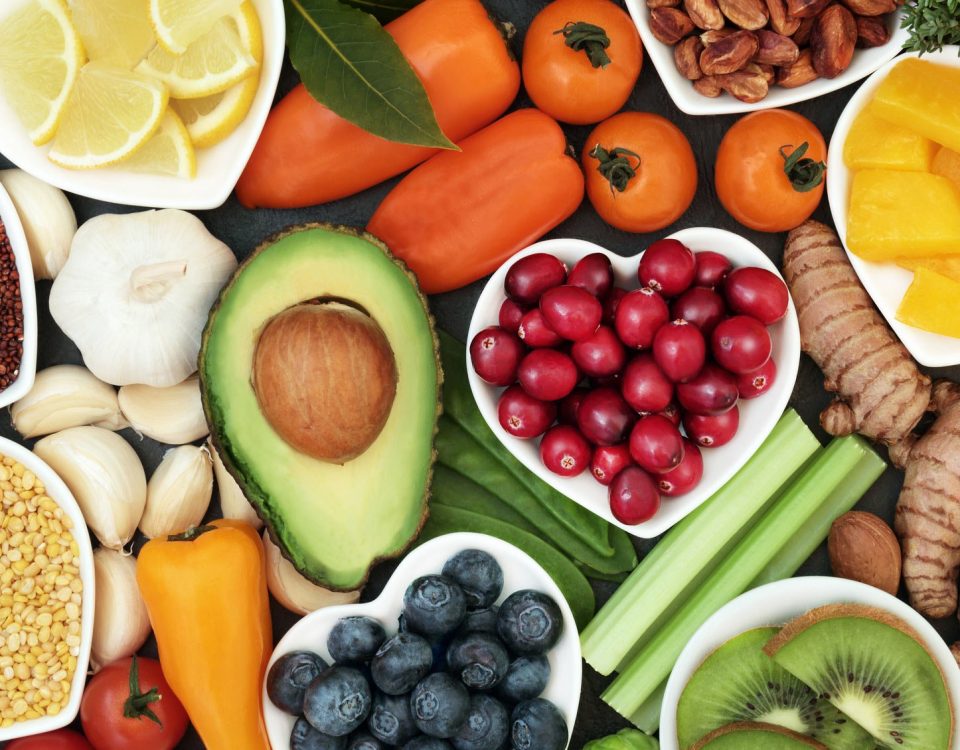
- Protein: New blood cells and collagen production rely on protein. Consuming the recommended daily amount of protein will boost your immune system and support your central nervous system. Choose from lean fish and organic meats, eggs, seeds, nuts, and quinoa.
- Vitamins A and C: Surgical stress can cause free radical growth, which prolongs healing and can cause tissue damage. Fill your diet with Vitamins A and C to provide your body with the antioxidants needed to fight the effects of free radicals. Load your diet with fruits and veggies. Go for sweet potatoes, carrots, spinach, broccoli, and sweet red peppers.
- Water: While it’s always good to drink plenty of water every day, staying hydrated before and after plastic surgery is particularly helpful for your skin's healing. When your skin is hydrated and healthy, it promotes faster wound healing. Dry, tight skin will make it difficult for incisions to heal.
A week before surgery, eliminate Omega-3c, which has been shown to increase bleeding time. Other foods that can interfere with anesthesia and your immune system, such as those containing Vitamins E, C, K, B, A, and D, as well as herbal supplements, should be avoided.
Ginger, green tea, flaxseed, cayenne, ginkgo, eggplant, garlic, tomatoes, and potatoes could affect blood clotting time or interact with anesthesia. Eliminate these foods ahead of surgery. You’ll also want to skip neurotoxins like alcohol, caffeine, aspartame, and MSG.
Food To Avoid After Plastic Surgery
After you’ve completed your body contouring or facial transformation, there are certain elements to remove from your diet. In the immediate healing time, you want your body to be as primed for healing as possible. To achieve this goal, leave these foods out:
- Salt: Sodium can cause fluid retention, prolonging any swelling or puffiness near an incision. Reduce or eliminate salt immediately after surgery to help your body heal and see results more quickly.
- Sugar: Refined sugar or high-carbohydrate foods can suppress immune function and promote inflammation.
Your body will need five times as many nutrients as usual after surgery to help prevent infection and promote quick healing. Good nutrition will reduce swelling, ward off infection, pain, and inflammation. Speak with your plastic surgeon and medical doctor about any prescription or over-the-counter medicines you take to ensure they’re safe before and after surgery.
The more seriously you follow your doctor’s orders, the easier your healing will be. The right foods have a great healing power. Choose the best foods to eat for healing after plastic surgery, as outlined above, for an even smoother recovery. Schedule your consultation now with the Vail Valley Plastic Surgery team.